
General introduction
The Central Vietnam Advanced Technology Institute is a unit directly under the Institute of Advanced Technology, established by Decision No. 1030-QD/VHLKHCNVN dated July 9, 2026, of the Vietnam Academy of Science and Technology. The Institute inherits the entire organizational foundation, staff, facilities, research results, and scientific tradition of the Central Vietnam Institute of Science and Technology throughout its history.
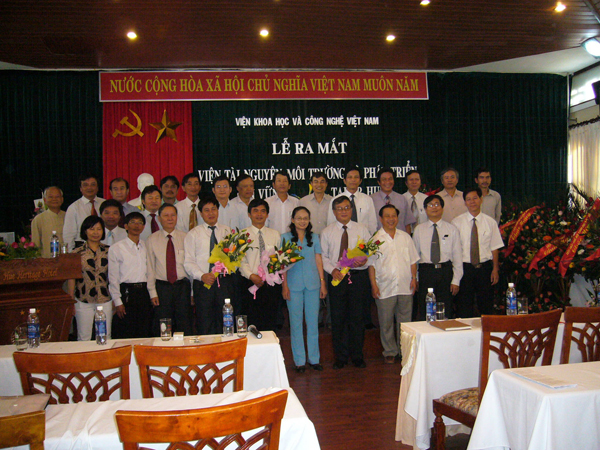
The predecessor of the Central Vietnam Institute of Science and Technology was the Institute of Resources, Environment and Sustainable Development in Hue City, established by Decision No. 222/QD-KHCNVN dated March 16, 2009, of the President of the Vietnam Academy of Science and Technology (now the Vietnam Academy of Science and Technology).
According to Decision No. 2276/QD-VHL dated December 13, 2013 and Decision No. 2301/QD-VHL dated December 16, 2013 of the President of the Vietnam Academy of Science and Technology, the Institute of Resources, Environment and Sustainable Development in Hue City was renamed the Central Vietnam Institute of Science and Technology, and was assigned new functions and tasks in line with the Academy's science and technology development orientation in the Central region.
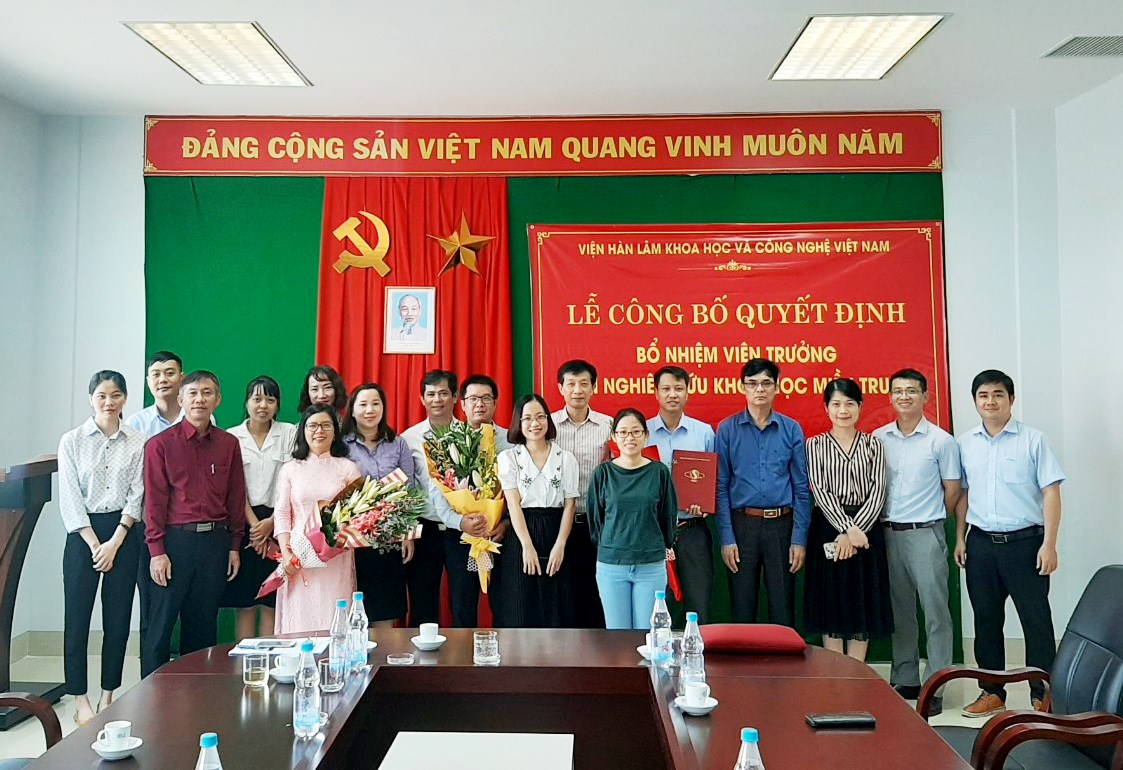
From October 1, 2021, in accordance with Decision No. 1556/QD-VHL dated September 28, 2021 of the President of the Vietnam Academy of Science and Technology, the Central Vietnam Institute of Science and Technology was merged into the Vietnam Museum of Nature and became a unit directly under the Vietnam Museum of Nature. During this period, the Institute continued to maintain and develop scientific research activities, basic surveys, conservation and rational exploitation of natural resources, while also implementing scientific and technological tasks serving the socio-economic development of the Central and Central Highlands regions.
With its formation and development through many stages, the Central Advanced Technology Sub-Institute has a scientific operational foundation built and accumulated since 2009, while inheriting the staff, facilities, scientific data, and research results already implemented in the Central region. This is an important basis for the Sub-Institute to continue to leverage its research strengths, promote the application and transfer of technology, strengthen domestic and international scientific cooperation, and contribute to the implementation of scientific and technological tasks serving the sustainable development of the Central region and the whole country.